Japan is aesthetically pleasing
I visited Japan for the first time and the thing that surprised me the most is how aesthetically pleasing it is. From the big things to the small details of everyday life.
Take hanging your clothes out to dry, for example. This is what I’m used to seeing in countries that do that:
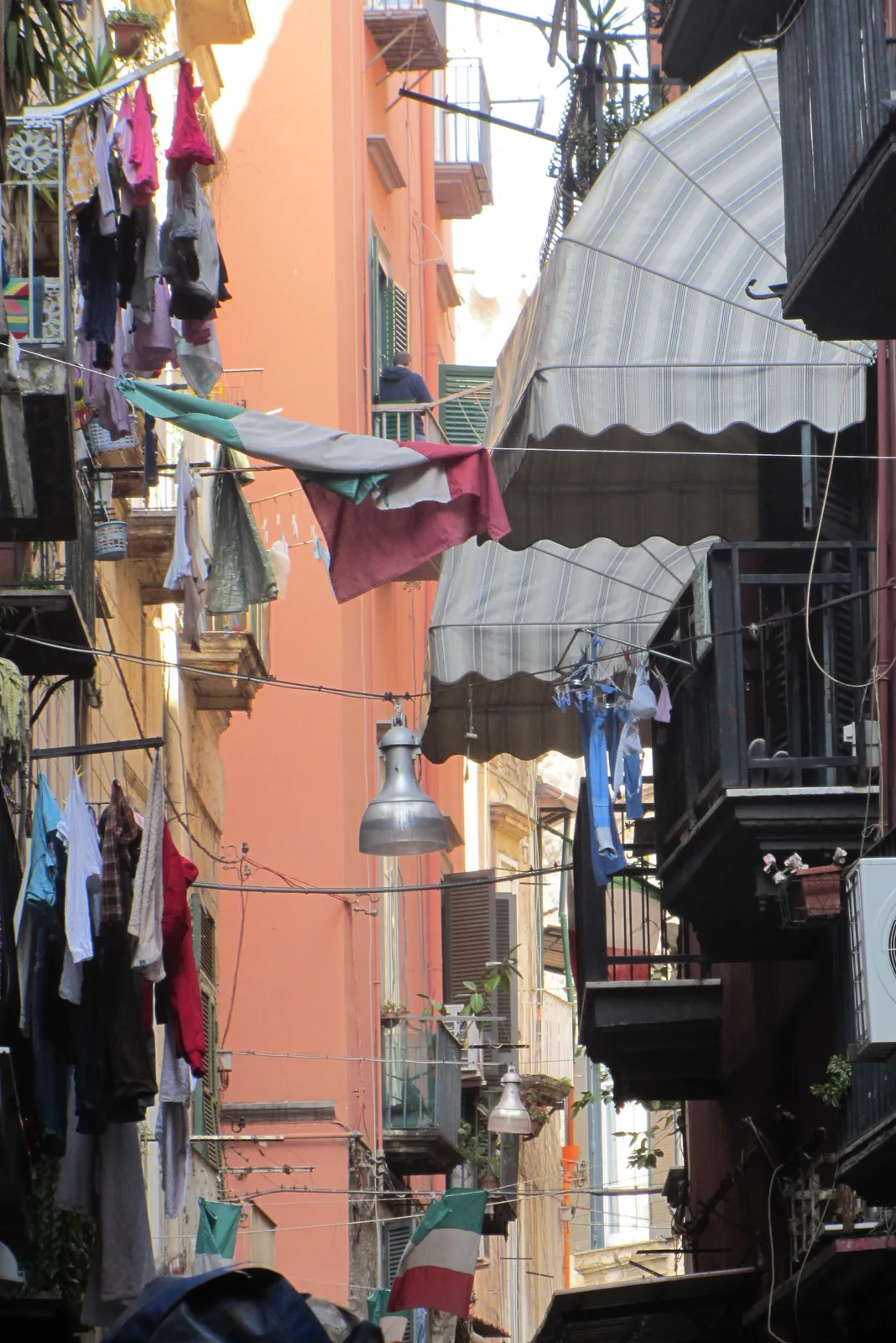
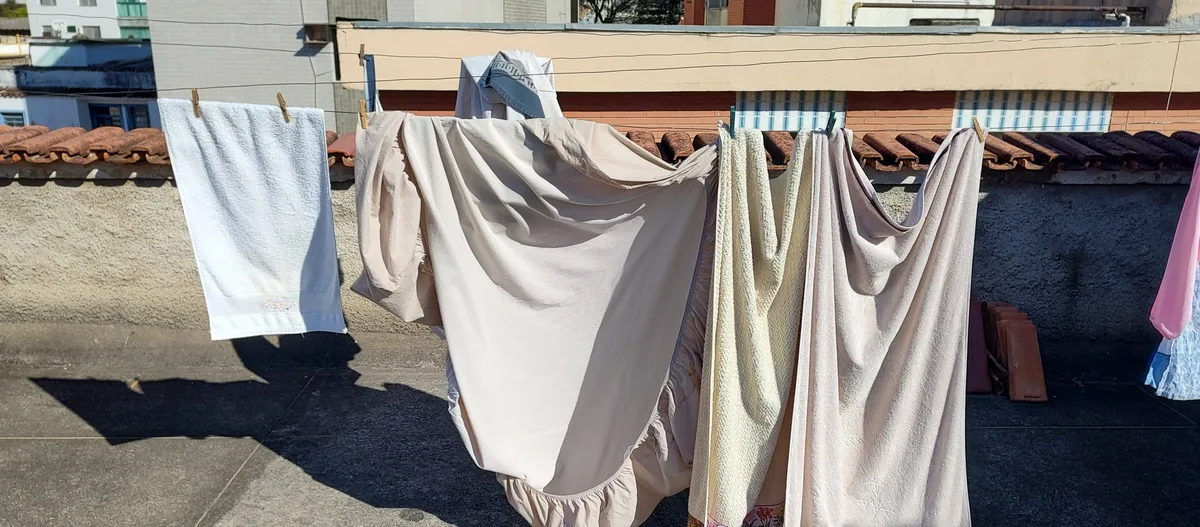
It’s ok. It works. You can even say it has its own beauty. But now check out how they do it in Japan:
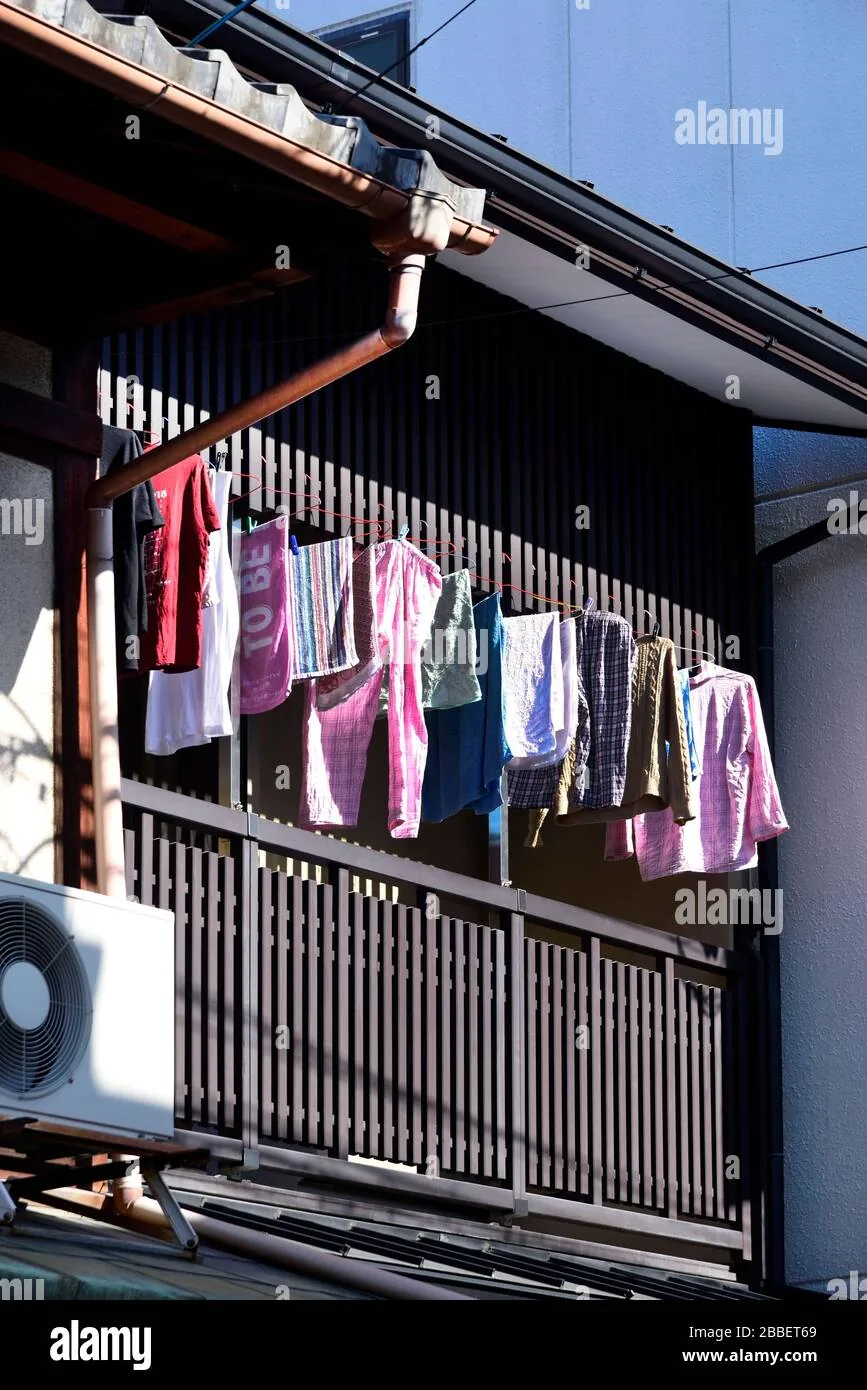
They hang each piece of clothing on its own hanger and space the hangers exactly the same distance apart. During the trip I was wondering how every house in different cities all choose exactly the same spacing, but then I learned there are little dips in the metal that holds the hangers so the wind doesn’t push them together.

Now look at this leak I saw in the Tokyo subway. Notice the care and attention to detail that was put into this temporary fix.
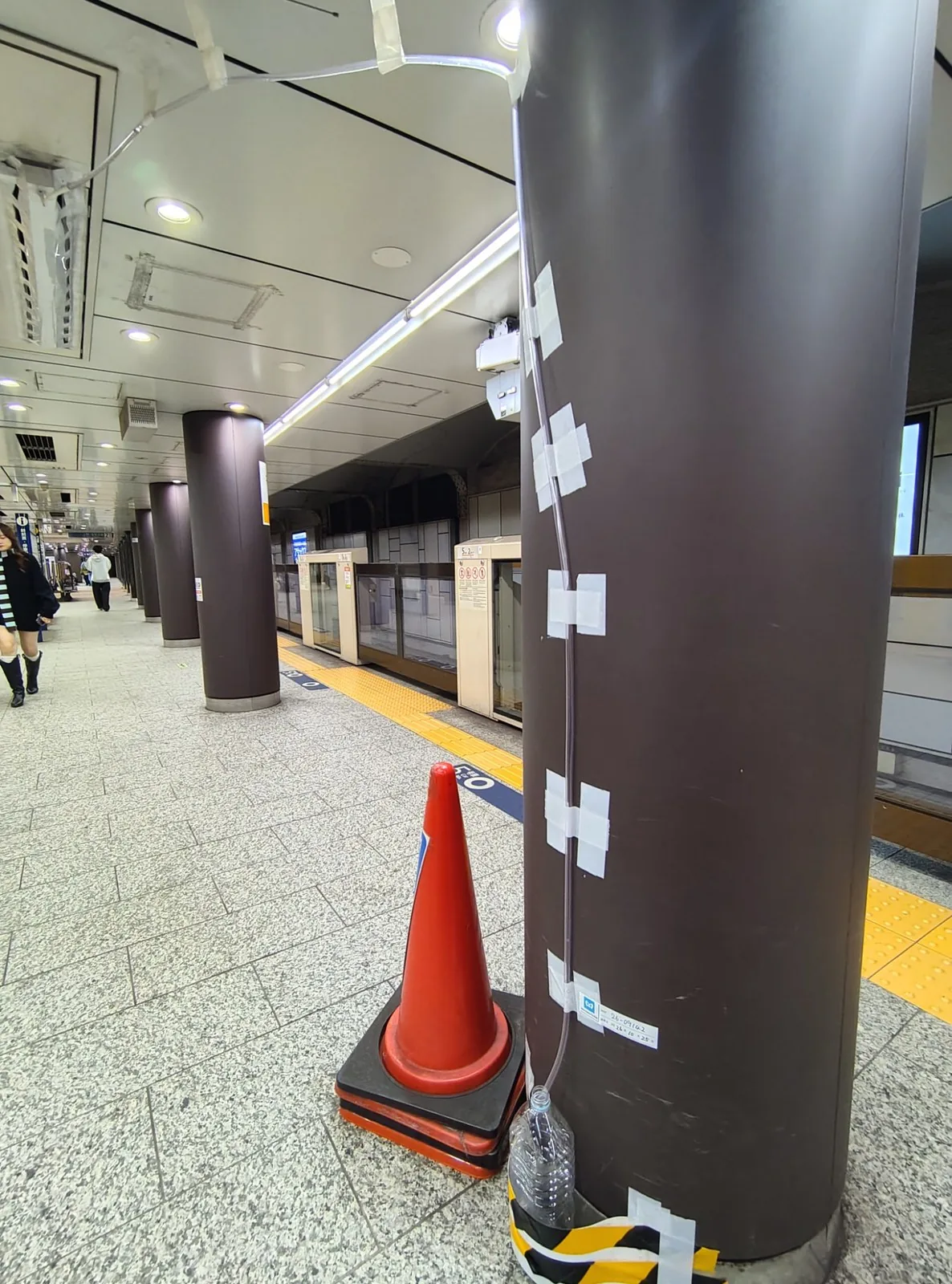
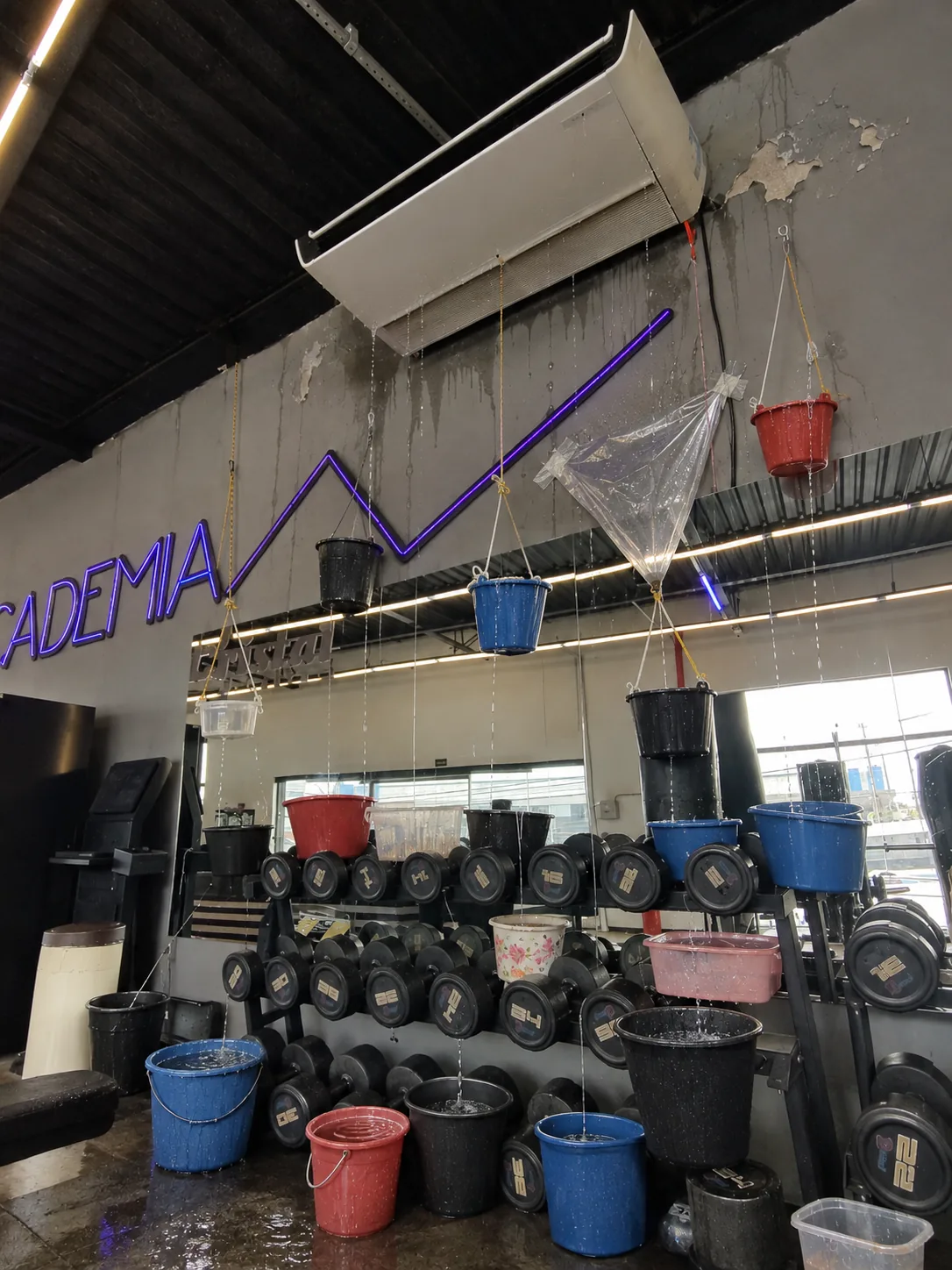
Back home at my local gym they were having a very similar problem. Notice the weight holding the trash can at the correct angle to catch the drops.
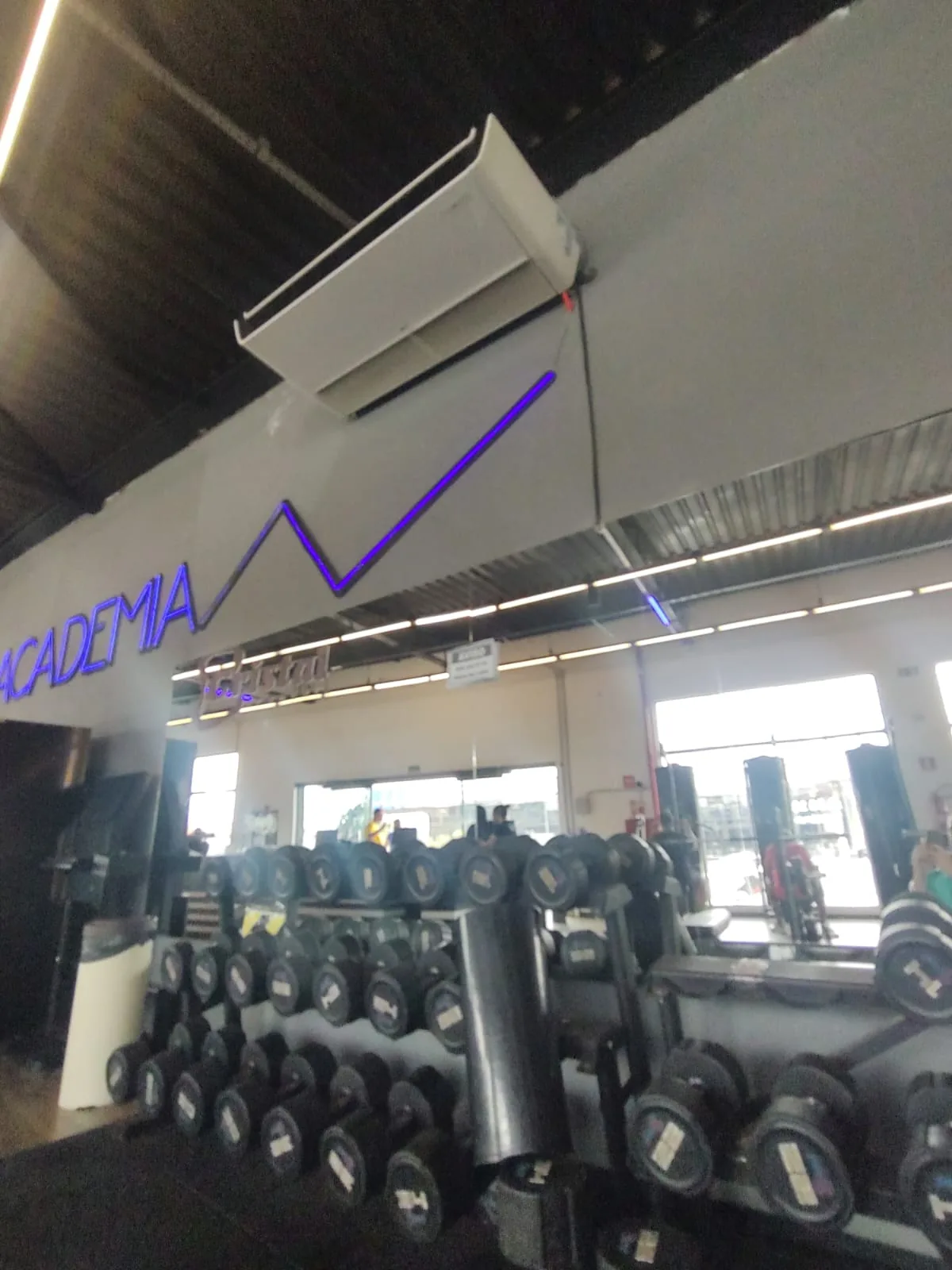
And a week later the problem got worse, and so did the temporary fix.

At this point we can just extrapolate how things will look 6 weeks from now.
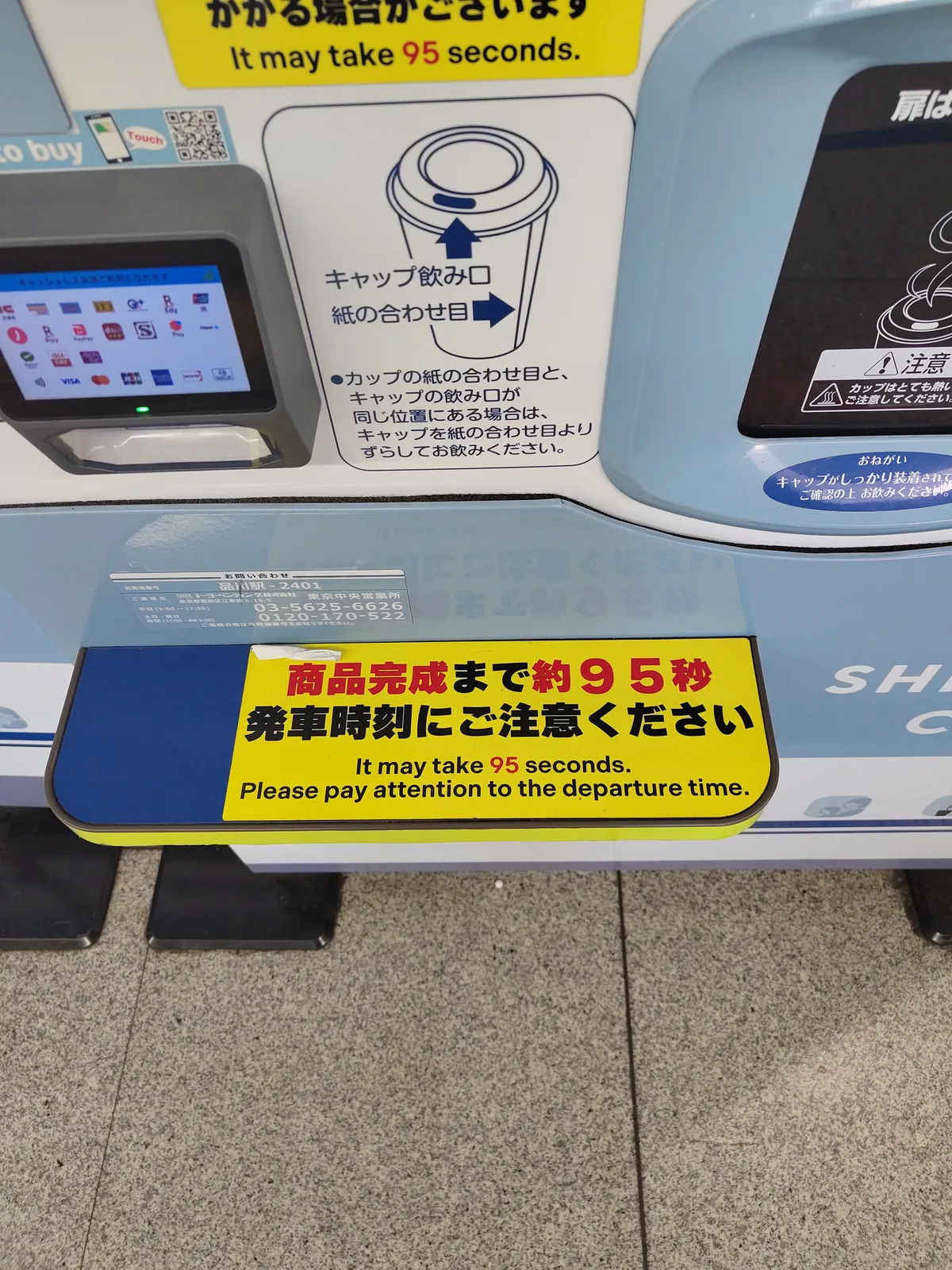
Speaking of attention to detail, I loved the care they put into the instructions on this coffee machine at the train station. You know exactly how long it will take to have your coffee ready to go.
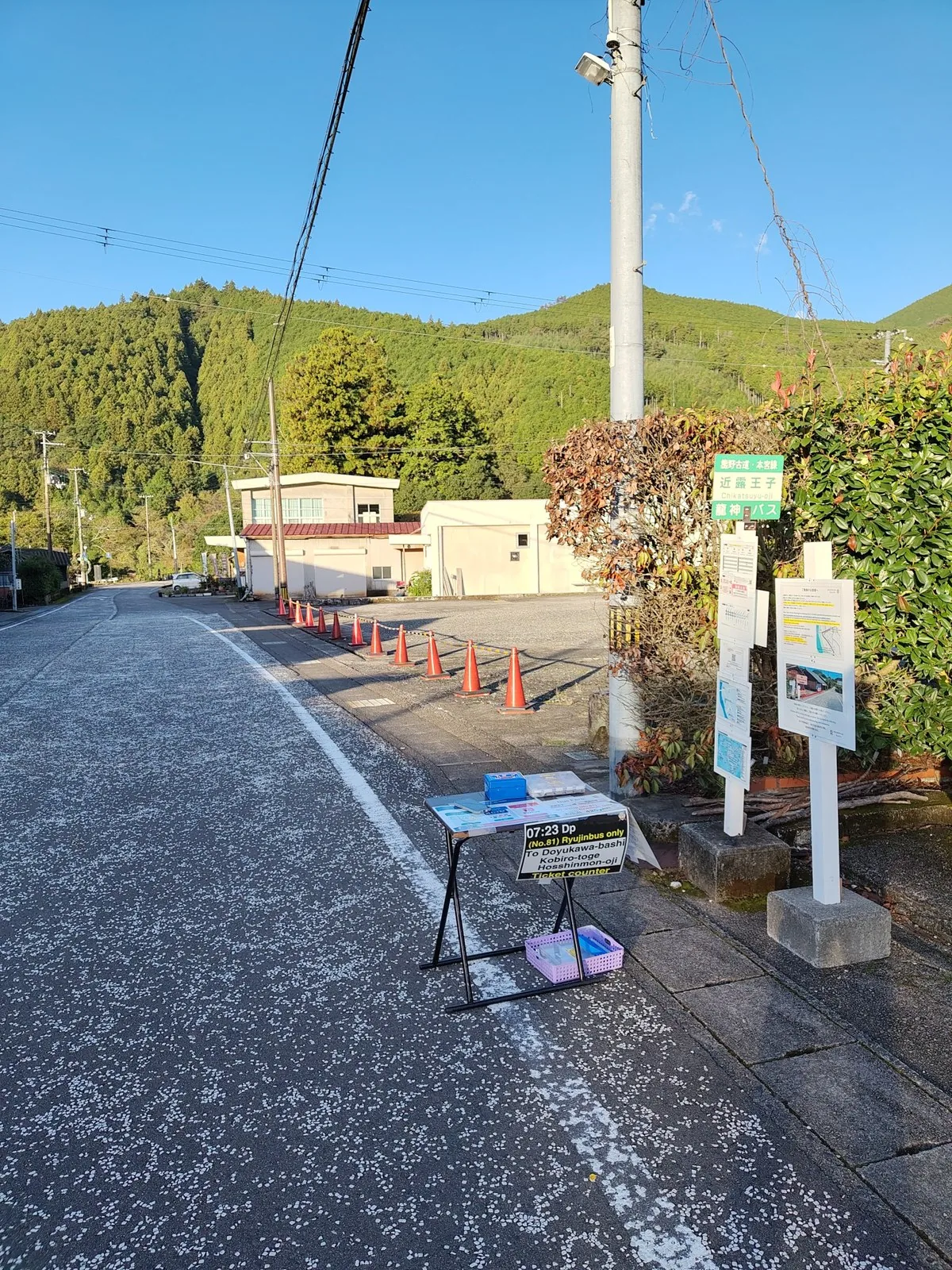
The same level of care went into this bus company’s process. I was in Chikatsuyu waiting for a bus scheduled to arrive at 7:23 am. From my point of view, I was in the middle of nowhere. This is a small village of 450 people deep in the mountains, and the streets were deserted. At 7:00 am, a car parks next to the bus stop, and a bus company employee sets up this little table to collect fares in advance. Because this is a popular hiking area, the bus stop sometimes gets crowded, and collecting fares in advance helps the bus depart on schedule. I was amazed and, strangely, felt loved by this random company.
Other observations
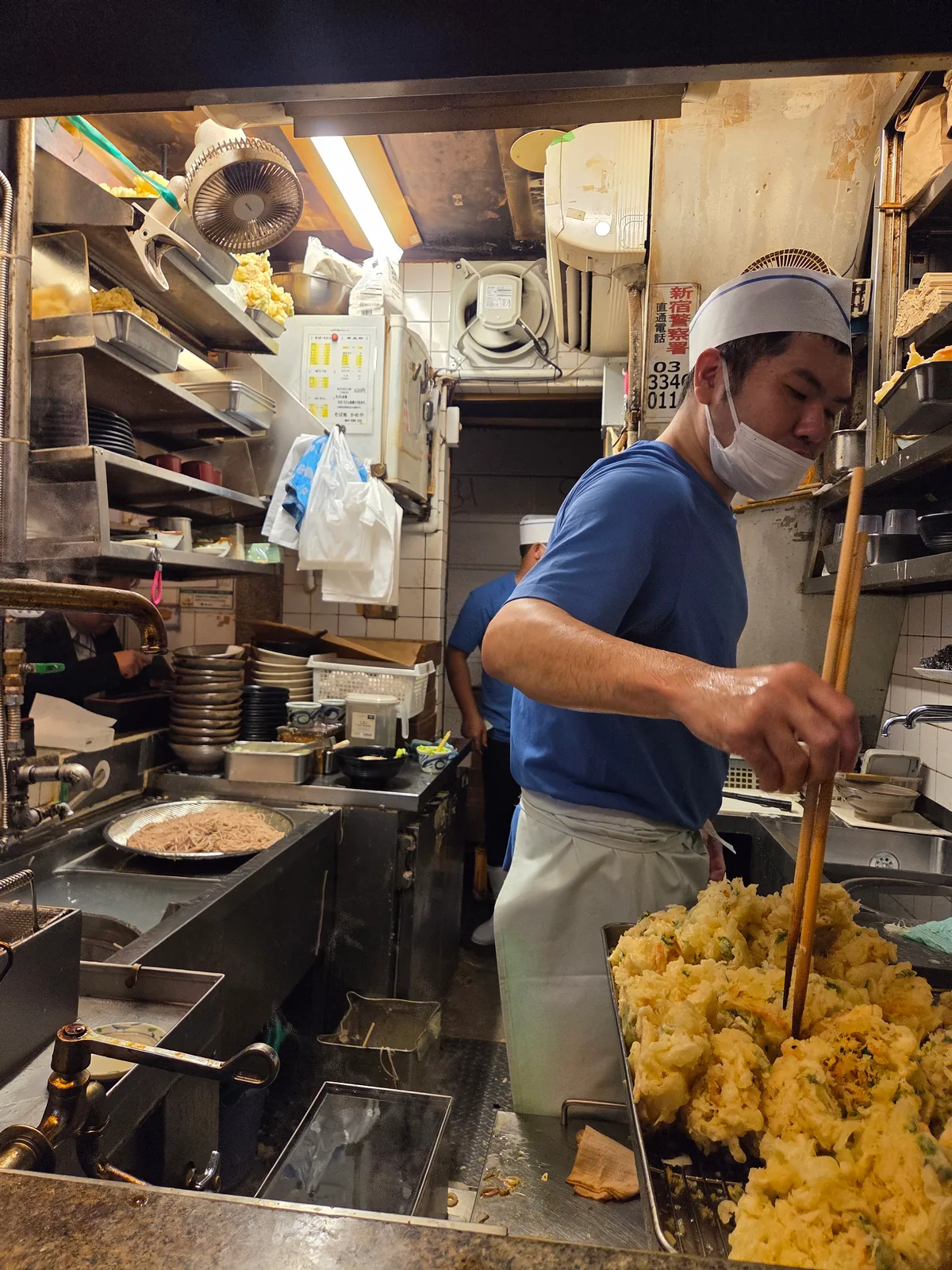
There are lots of elderly people that are still working. I noticed this most often in family-owned restaurants that were run by just an elderly couple. The food at those places was always delicious and had that home-cooked feeling, but I didn’t know how to feel about seeing them working really hard. On the one hand, it’s good that elderly people can participate in the economy and provide value to society. I understand that culturally there is some pride in that. On the other hand, do they have the option not to work if that’s what they want? Is it something that they do out of choice or out of necessity? My conclusion is that it’s probably a bit of both.
I loved the random moments of peace that I experienced on this trip. One time I was walking through a park at dusk and found this little overlooked shrine, where all you could hear were the sounds of nature. Another time I was in a crowded subway when I noticed the same kind of peace: everyone was silent, and all you could hear was the train moving along the tracks.
And I really like how artistic this photo turned out.
This post was inspired by reviewing my “On Writing Well” book highlights, specially the section on travel writing. With it I’m trying to practice:
- “Nobody turns so quickly into a bore as a traveler home from his travels. He enjoyed his trip so much that he wants to tell us all about it—and “all” is what we don’t want to hear. We only want to hear some. What made his trip different from everybody else’s?"
- "what am I trying to say? have I said it?"
- "when you’re ready to stop, stop"
- "prefer the simple and short words”

If you're a software engineer working on product teams you might enjoy my book High Output Software Engineering — it's all about understanding value creation, making value-driven trade-offs, communicating with excellence and knowing how to navigate organization dynamics.
Buy it now for $0.99 (PDF & EPUB instant access)