High Output
Software Engineering
Mental Models for Value Creation, Decision Making, Communication, and Success in Product Organizations
Code is being commoditized by AI. Stay relevant by focusing on value creation skills.
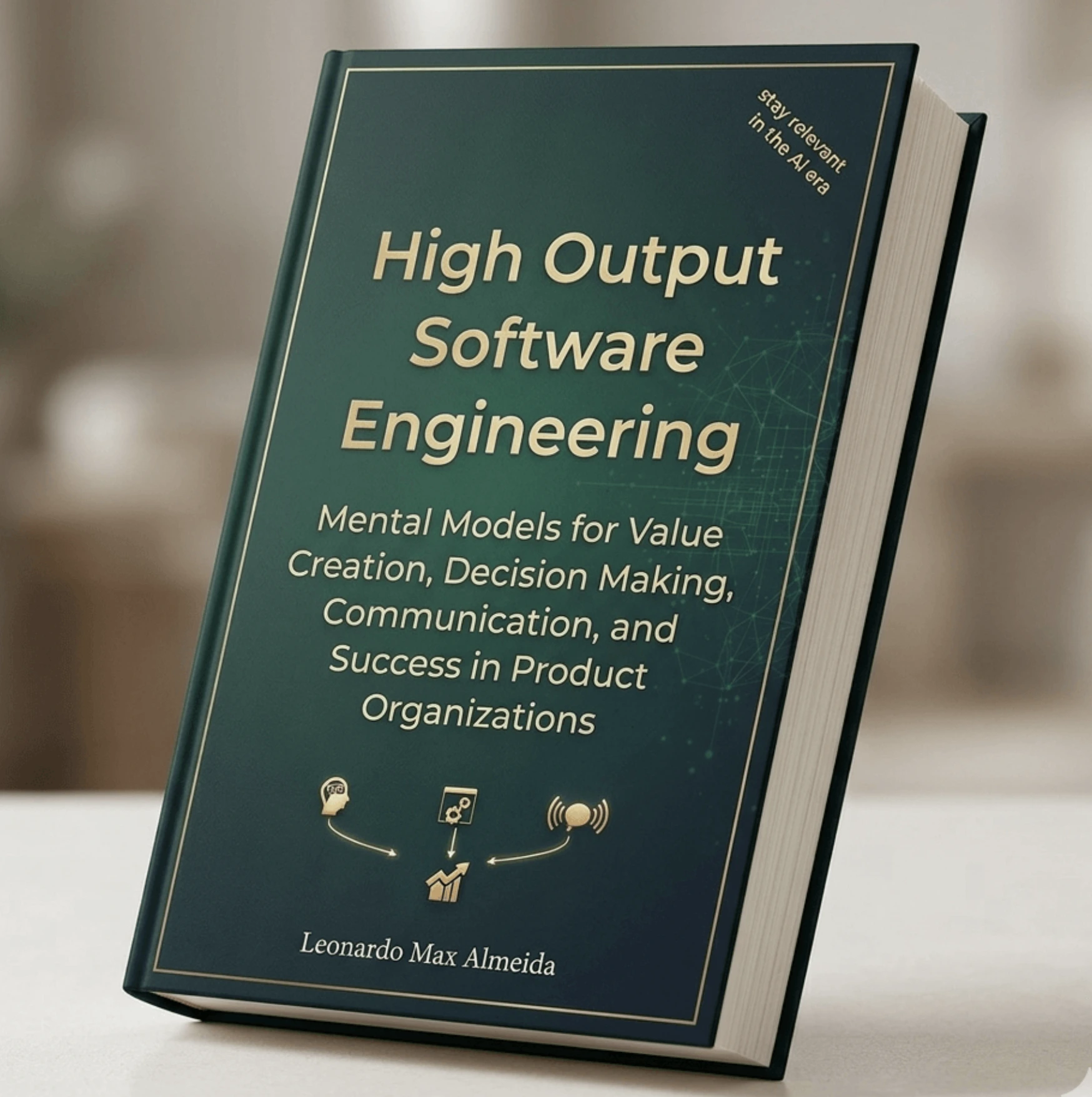
$9.99 · PDF & EPUB instant access · Also on Amazon
A content-packed quick read where you will learn
Properly Define What Really Creates Value
Understand value as helping people save time and reduce stress—and why code itself should be seen as technical debt.
And the three pillars of value creation
Decision-making and prioritization
Feel confident making the really hard calls related to architecture trade-offs, when (and how much) to test, feature scoping, planning vs. execution.
Being an excellent communicator
Become the person teammates trust, rely on, and actually enjoy working with.
Navigating people & organization dynamics
How to get things done if you feel blocked by bureaucracy in bigger organizations.
Reader reviews
Leonardo tackles something most developers miss: what actually creates value.
What stood out to me is how aligned this is with how I've always seen software—it's absurd to build things without understanding why. This book brings that awareness front and center. It shifts your focus away from code and toward outcomes: saving time, reducing stress, and making better decisions.
Leonardo is a true value creator. And that's where this field is inevitably heading. The developers who thrive won't be the ones who just write code—they'll be the ones who understand value exchange and can operate at that level.
If you want to move beyond implementation and start thinking like an operator, read this.
—Khalil Stemmler, Creator of The Software Essentialist & solidbook.io
I want everybody that works with me to have the same mental models.
—Leonardo Papais, Tech Lead at Pods Finance
Got a lot of great nuggets from the book! Thanks for writing it!
—Rick Wong, Product Engineering Leadership | ex-AbbVie (NYSE)
Really useful book for engineers who still believe "leetcoding" is still a good proxy for performance and output.
In this new AI era, it is essential to understand the fundamentals of software engineering and why coding is just a small part of the whole process of building software.
This book helped me remember that even though AI is taking over most of the coding away, the problems that we are trying to solve are still there, and only great engineers will know how to solve those.
10/10
—Gabriel Arakaki, Principal Software Engineer at onbrand
Finally, a book that speaks directly to those working in technology, especially developers, without romanticizing code, hiding behind buzzwords, or chasing the new hype.
It gets straight to the point, real value isn't in elegant architecture or complex solutions, but in tangible business impact.
Glad someone finally wrote about it!
—Rudy Tarasantchi, Serial CTO | ex-Afya (Nasdaq) & Valid (B3)
Sample Sections
Chapter 1: Why, What, Who, HowSystems thinking: The hidden costs of additions to a systemFrequently Asked Questions
Is this book for me?
This book is for you if:
- • You're a software engineer with 2+ years of experience working in product-focused teams (SaaS, fintech, marketplaces, etc.) at mid-sized companies (50–500 people)
- • You want to feel more confident making the really hard calls related to architecture trade-offs, when to test (and how much), feature scoping, prioritization
- • You want to be known as an excellent communicator — the person teammates trust, rely on, and actually enjoy working with
- • You're worried AI might take your job and want to focus on durable skills beyond specific technologies
- • You sometimes feel impostor syndrome and want a path to feel confident as a generalist
This is NOT for you if:
- • You're brand new to programming (the real examples won't resonate if you haven't shipped software as part of a team)
- • You think soft-skills are a waste of time (this book is 100% soft-skills applied to software engineering)
- • You're looking for a quick hack to get promoted (the results come from actually applying the work)
Why should I listen to you?
- •CTO at a leading mobile ad network, handling 5B requests/month
- •Built a 5-star Upwork profile with only amazing reviews
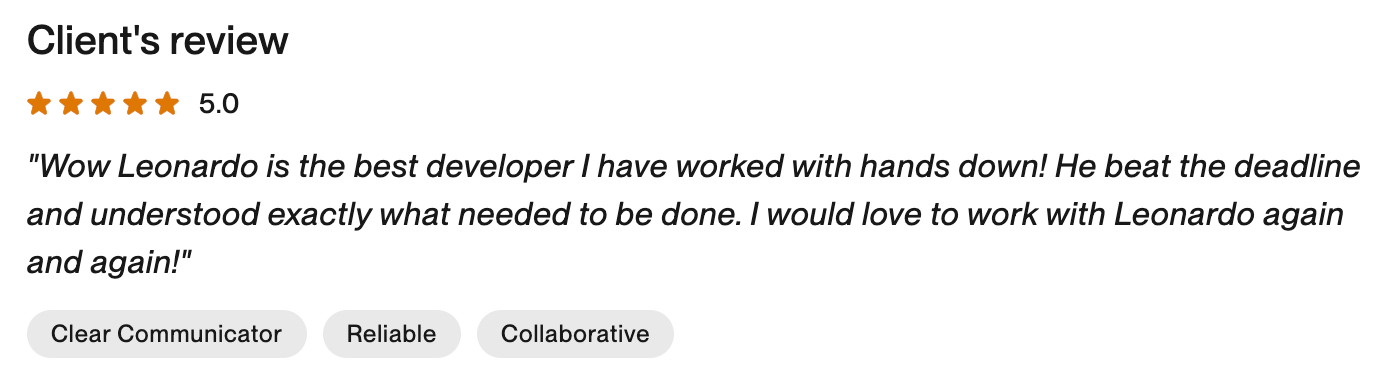
- •Subject Matter Expert for systems generating $100M+/year in incremental revenue for the pharmaceutical industry
- •Book has already provided real value to beta readers.
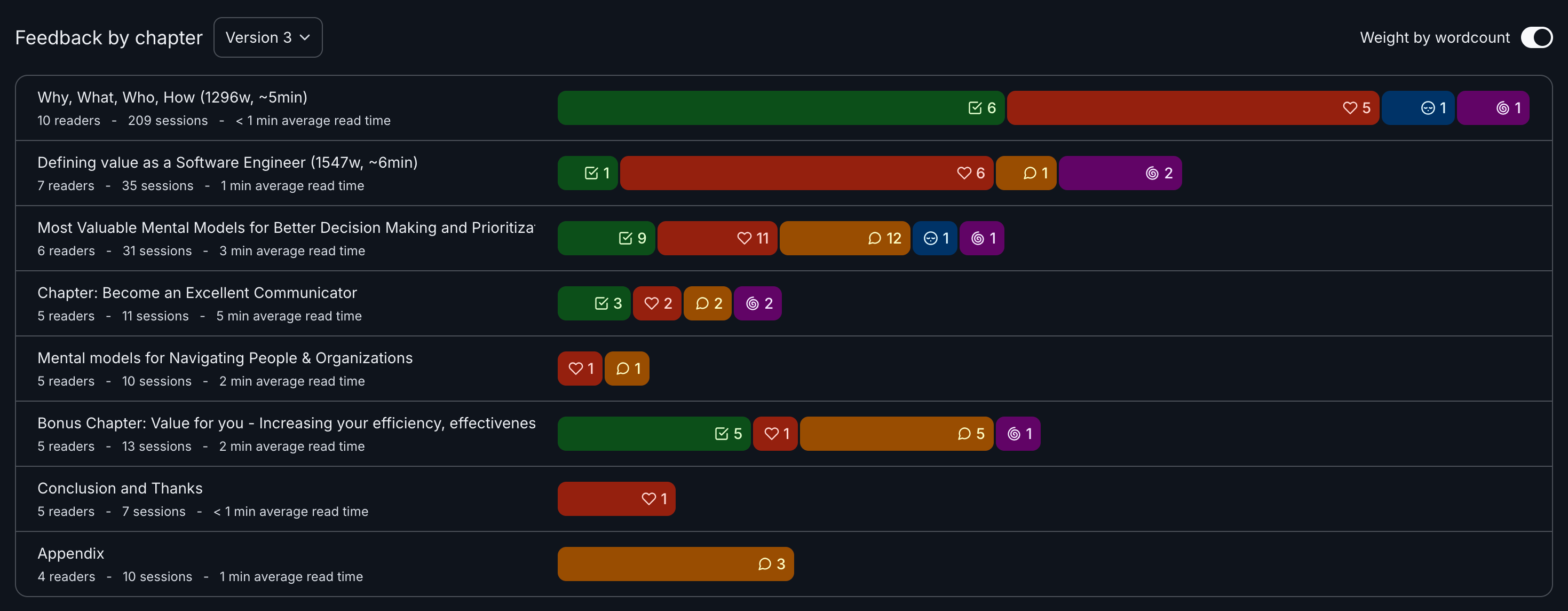 74 Love this42 Useful!from beta readers across all versions
Is this for junior or senior engineers?
Best suited for engineers with 2+ years of professional experience who have shipped software as part of a team. If you've felt the frustration of unclear priorities, miscommunication, or organizational friction — this book is for you, regardless of your seniority level.
How long is the book?
~25k words. It's a focused, content-packed quick read — not a 400-page doorstop. Every section earns its place. You can read it in a few sittings and start applying the mental models immediately.
Is this relevant with AI coding tools taking over?
More relevant than ever. AI is commoditizing code generation — which means engineers who stand out are the ones who understand value, make great decisions, communicate clearly, and navigate organizations effectively. Those are exactly the skills this book trains.
Was the book written by AI?
No. The book was 100% written by me, based on my experience, research, and feedback from beta readers. After the book was validated with beta readers, I used AI tools for copy editing and fact-checking, but the ideas, structure, and writing are all mine.
Get a copy, start reading
$9.99 · PDF & EPUB instant access · Also on Amazon
High Output Software Engineering
Mental Models for Value Creation, Decision Making, Communication, and Success in Product Organizations
Curious how this book is being built? See the behind-the-scenes process© 2026 All rights reserved.
